
Restylane Skin Booster Treatment in Trivandrum for Hydrated & Youthful Skin
Restylane Skin Booster Treatment in Trivandrum for Hydrated & Youthful Skin Most face creams are like a covering for your face. They just stay on the surface holding in the moisture that’s already there or pulling it from the air but they do not really make your skin more hydrated from the inside. If you live in Trivandrum you are probably having a time dealing with dry skin from the heat and the air conditioner. Your skin will really glow when it has Hyaluronic Acid, not from some cream, in a jar. Hyaluronic Acid is what makes your skin look good. It works best when it is exactly where your skin needs Hyaluronic Acid the most. The Chemistry of Internal Irrigation Your skin naturally contains HA, a molecule that can hold up to a thousand times its weight in water. As you exit your teens and move into young adulthood, the quality of your natural HA begins a slow, silent decline. The skin booster restylane is not a traditional filler designed to change your face shape; it is a soft, micro-droplet injection of stabilized HA intended to improve skin quality. Unlike topical serums that evaporate or wash off, a skin booster restylane session creates a moisture-holding network within the dermis. This provides a sustained release of hydration that lasts for months rather than hours. For men and women in their twenties and thirties, this is the most logical way to maintain the “bounce” of youthful skin without looking like you’ve had work done. Topical creams manage the surface, but injectable boosters manage the foundation. When the dermis is saturated with moisture, the fine lines caused by dehydration—those crinkles that appear when you smile—simply vanish. Why Restylane is Different from Traditional Fillers There is a persistent fear that any needle near the face will result in the dreaded “puffy” look. This stems from a misunderstanding of the different types of HA products. A standard restylane treatment for volume might be thick and structural, but the skin booster restylane range uses a uniquely thin, smooth consistency. It spreads evenly under the skin like a liquid silk, rather than staying in a clump. It is specifically designed for skin that has lost its luster or has become rough due to sun damage or acne. In a clinical setting, we call this “skin quality improvement.” You are essentially deep-conditioning your face from the inside out. It is a subtle shift that makes people ask if you’ve been sleeping better, rather than asking who your injector is. The goal is a skin texture that looks filtered in real life, not a face that looks reconstructed. This nuanced approach is why the procedure is becoming a staple for young professionals who want to look refreshed but natural. Handling Sensitive and Acne-Prone Skin If you have sensitive skin, you probably spend half your life reading ingredient labels and fearing a breakout. The skin booster restylane is highly biocompatible because HA is a substance your body already recognizes. Because it bypasses the surface oils and pores, it doesn’t cause the congestion often associated with heavy “night creams” or facial oils. For those with old acne scars, hydration is your best friend. Deeply hydrated skin appears smoother, as the moisture “plumps” the tissue around the scars, making the indentations less prominent. While it isn’t a replacement for a PRP Face session meant for tissue repair, it is an excellent complementary treatment to soften the overall appearance of the skin’s surface. Hydrated skin is resilient skin; it heals faster and reacts less violently to the environment. Managing sensitivity is easier when the skin’s internal barrier is reinforced by a structural moisture source. How it Fits into Your Routine Feature Topical HA Serums Skin Booster Restylane Anti Aging Treatment (Fillers) Method Applied on skin Micro-injections Deep Injections Depth Stratum Corneum Deep Dermis Subcutaneous / Supraperiosteal Primary Goal Temporary Softness Long-term Hydration Volume & Contouring Duration Hours 6–9 Months 12–18 Months Visible Result Immediate/Subtle Gradual (2–4 weeks) Immediate The “Glow” Logistics: What to Expect Consider the case of Priya, a 29-year-old teacher in Trivandrum. Her skin looked dull, and she had those fine “smile lines” that makeup would always settle into by noon. She didn’t want a facelift or botox; she just wanted her skin to look like it did when she was twenty. We performed a restylane treatment involving two sessions of boosters. By the third week, the change was visible in how her skin caught the light. The “crepy” texture on her cheeks had smoothed out, and her makeup no longer creased. The skin booster restylane worked because it provided the internal pressure needed to keep the skin taut and hydrated. It wasn’t about adding volume; it was about restoring the fluid balance. You cannot paint over a dry, cracked canvas and expect a masterpiece. The biological reality is that hydrated cells function better, and healthy cells look better. The Analytical View on Longevity You don’t need a skin booster restylane session every month. The beauty of stabilized HA is its resistance to being broken down quickly by your body’s enzymes. For a typical patient in Trivandrum, an initial protocol of two to three sessions, spaced a month apart, will keep the skin vibrant for the better part of a year. It is a calculated investment in skin health. If you compare the cost of a restylane treatment to the cumulative cost of high-end department store creams that do nothing for the dermis, the clinical route is often more cost-effective. You are paying for a physiological change, not a cosmetic illusion. Maintenance is cheaper and more effective than repair. Regular boosters ensure that your skin doesn’t reach that “crisis point” of dehydration where permanent wrinkles begin to set in. FAQ Section: Does it hurt? The injections are tiny and superficial. We use a very fine needle or a specialized injector device that minimizes discomfort. Most patients describe it as a series of small pinpricks. We also use a topical
PRP Face Treatment in Trivandrum for Glowing Skin, Acne Scars & Anti-Aging

PRP Face Treatment in Trivandrum for Glowing Skin, Acne Scars & Anti-Aging Your blood is currently carrying the exact proteins needed to repair your skin, yet you likely spend thousands on synthetic creams that barely penetrate the surface. There is a fundamental irony in searching for “holy grail” ingredients in a laboratory when your own circulatory system is a literal pharmacy. Most people treat skin aging or scarring as an external problem, ignoring the fact that the body’s internal repair mechanism is just waiting for a concentrated signal to start working. The Raw Reality of Plasma and Platelets Platelet-Rich Plasma, or prp face therapy, is not a mystical beauty ritual despite the dramatic nicknames it has earned in celebrity circles. It is a concentrated suspension of your own platelets in a small volume of plasma. When these platelets are activated, they release growth factors that trigger cell proliferation and tissue regeneration. For someone in Trivandrum dealing with the textured aftermath of cystic acne, this isn’t just about “glow”—it is about structural repair of the dermal layer. If you are a teen or young adult, your skin is already in a state of high turnover, but acne scars are essentially “stuck” tissue. The prp face process reintroduces the inflammatory signals needed to kickstart the healing process that your body abandoned months or years ago. It turns a stagnant, depressed scar into an active site of reconstruction. The goal is to weaponize your body’s natural inflammatory response to fix the damage that time and acne left behind. By concentrating these platelets to several times their normal density, we are essentially shouting at the skin cells to wake up and produce collagen. Why the Vampire Facial Treatment is More Than a Trend The term vampire facial treatment usually scares off the more conservative patient, but the science is grounded in orthopedic and dental surgery. By combining microneedling with your own plasma, we create thousands of microscopic channels. These channels allow the growth factors to bypass the skin’s waterproof barrier and reach the fibroblasts where the real work happens. For men who often neglect complex skincare routines, the prp face approach is appealing because it is low-maintenance. You aren’t layering five different acids every night; you are undergoing a singular, high-impact biological intervention. It addresses the dullness and “leathery” texture that often comes from years of sun exposure in Kerala without the artificial look of fillers. Microneedling creates the path; the plasma provides the fuel for the engine. The result is a texture that looks lived-in but healthy, rather than surgically altered or unnaturally tight. Rejuvenation for the Sensitive and Acne-Prone People with sensitive skin are often the most difficult to treat because their barrier reacts to almost everything. Chemical peels might cause hyperpigmentation, and aggressive lasers might lead to weeks of redness. Since a prp face treatment uses your own biological material, the risk of an allergic reaction or “rejection” is statistically zero. For those currently battling active acne, we don’t just jump into the procedure. We stabilize the inflammation first. Once the active cycle is controlled, prp skin rejuvenation helps to heal the post-inflammatory erythema—those annoying red marks that linger long after the pimple is gone. It accelerates the transition from a wounded state to a healed state. Sensitive skin doesn’t need more chemicals; it needs the familiar signals of its own repair proteins. When the skin recognizes its own plasma, it accepts the treatment without the defensive flare-up common with synthetic actives. Comparing Regenerative Options Feature Standard Microneedling PRP Face Therapy Chemical Peels Material Used None (Dry) Autologous Plasma Acid Solutions Allergy Risk Low Zero Moderate Primary Goal Collagen Induction Cellular Regeneration Surface Exfoliation Downtime 24 Hours 24–48 Hours 3–7 Days Scar Repair Moderate High Variable The Story of the “Permanent” Scar There is a trend of DIY “acid peels” circulating online that involve concentrated vinegar or lemon juice. Stop doing this. The skin on your head is vascular and sensitive; a botched home peel can lead to chemical burns and permanent scarring of the hair follicles. Professional Hair Treatment in a controlled clinic setting uses buffered acids that target the debris without damaging the living tissue. In a clinical setting in Trivandrum, we see better results because we can analyze the scalp under magnification first. We look for signs of folliculitis or seborrheic dermatitis that you might miss in your bathroom mirror. A professional scalp peel is applied with precision, ensuring the solution reaches the skin and doesn’t just sit on your hair strands. Professional equipment allows us to see the difference between simple dryness and a fungal infection. You wouldn’t perform surgery on yourself, so don’t play chemist with your scalp. Analyzing the Anti-Aging Curve If you are in your late thirties or early forties, you are seeing the first signs of “crepy” skin around the eyes and a loss of radiance. This is where prp face interventions act as a preventative measure. Instead of waiting for deep wrinkles to form, you are maintaining the collagen bank account while it is still relatively full. In our Trivandrum clinic, we see that patients who start prp skin rejuvenation early require far less corrective work in their fifties. It is an analytical approach to aging—managing the decline rather than trying to reverse a catastrophe. The vampire facial treatment doesn’t change your features; it just ensures your skin reflects the best possible version of your current age. Maintaining your collagen is significantly easier than trying to rebuild it from scratch. The skin’s ability to bounce back is a finite resource, and plasma helps to stretch that resource further. FAQ Section: Is the blood draw painful? It is no different from a standard blood test at a diagnostic lab. We take a very small amount—usually between 10ml and 30ml. If you can handle a routine check-up, you can handle this. The discomfort is fleeting, while the biological benefits of the harvested plasma last for months. How long until I see the “glow”?
HIFU Skin Tightening in Trivandrum: Non-Surgical Facelift for Youthful Skin

HIFU Skin Tightening in Trivandrum: Non-Surgical Facelift for Youthful Skin Most people believe that sagging skin is a problem reserved for the elderly, yet the mirror tells a different story to thirty-year-olds every morning. You notice a slight softening of the jawline or a subtle heaviness around the cheeks that wasn’t there two years ago. Most topical creams are effectively expensive lubricants that do nothing for the structural integrity of your face. True correction requires reaching the layers that a moisturizer will never touch. Why Your Face is Losing the Structural War The skin is supported by a layer called the SMAS. This is the tissue that surgeons tighten when they do a traditional facelift. As time passes the SMAS layer loses its hold. This causes your features to slowly move downwards. Teens and young adults usually worry about surface problems like acne.. At the same time the underlying structure of their face is already starting to change. These changes happen over a period. The SMAS layer plays a role, in how your face looks as you age. The High-Intensity Focused Ultrasound or HIFU is made to go past the surface of your skin. It sends heat energy to certain depths, which makes tiny areas of damage. Your body sees these damages as injuries and starts to make new collagen to fix them. This is a process where your body makes fresh collagen it is not just a cover up. The High-Intensity Focused Ultrasound makes your body respond in a controlled way to create collagen. The surface of your skin is merely the billboard; the real structural issues are happening several millimeters below. In a city like Trivandrum, where the sun is relentless, UV-induced elastosis accelerates this breakdown. Waiting until you have significant jowls makes any non-surgical intervention much harder. The Specifics of a Face Lifting Treatment A professional face lifting treatment using ultrasound is an exercise in physics. By focusing energy at depths of 1.5mm, 3.0mm, and 4.5mm, we can target the dermis and the foundational SMAS layer simultaneously. This dual-action approach is why hifu results appear in two stages: an immediate contraction of collagen fibers and a long-term remodeling that peaks at three months. Men often like this method because it does not use needles and does not give a “pulled” look. You look like you had a rest not like you had work done. For people, with skin this method is better. The energy goes through the skin without hurting it. This means the risk of getting spots after treatment is much lower compared to some laser treatments. Precision in depth is what separates a medical-grade procedure from a beauty parlor gimmick. If the energy doesn’t reach the SMAS, you aren’t getting a lift; you’re just getting a very expensive facial. Addressing the “Young Adult” Jawline We are seeing an influx of younger patients in Trivandrum seeking hifu for jawline definition. This isn’t always about aging; sometimes it is about correcting a naturally soft profile or “tech neck” caused by constant downward gazing at screens. For a 25-year-old, the goal isn’t an Anti Aging Treatment in the traditional sense, but rather a structural refinement. When you have acne-prone skin, you are often hesitant to try new procedures for fear of a breakout. HIFU is non-comedogenic by nature. It does not involve heavy oils or chemicals that clog pores. By tightening the skin, it can actually improve the appearance of certain types of “rolling” acne scars by providing a firmer foundation for the skin to sit upon. Tightening the canvas often makes the surface imperfections less noticeable. Correcting the jawline early can prevent the more drastic sagging that typically begins in the late thirties. Comparing Structural Interventions Feature HIFU Profhilo Treatment Traditional Facelift Primary Goal Deep Structural Lifting Bio-remodeling & Hydration Surgical Tissue Repositioning Depth of Action Up to 4.5mm (SMAS) Subdermal (Fat/Dermis) Surgical Layer Downtime Zero 24–48 hours (bumps) 2–4 weeks Longevity 12–18 months 6–9 months 10+ years Pain Level Mild Tingling Pinpricks High (Requires Anesthesia) The Analytical View on Results Let’s look at a typical case: Sarah, a 34-year-old professional in Trivandrum with sensitive skin. She felt her face looked “tired” regardless of her skincare routine. We performed a single session of hifu focusing on the lower face and neck. For the first month, she saw almost nothing. By month three, her jawline was visibly sharper, and the nasolabial folds—those lines from the nose to the mouth—had softened significantly. This is not a “lunchtime miracle” that changes your face by dinner. If a clinic tells you that you will look twenty years younger tomorrow, they are lying. The biological process of neocollagenesis takes time. You are essentially investing in your skin’s future manufacturing capacity. Patience is a clinical requirement for any procedure that relies on natural collagen production. The best results come to those who understand that biology cannot be rushed. Integrating HIFU into a Broader Strategy While hifu handles the lift, it doesn’t solve every problem. It won’t erase fine surface crinkles caused by dehydration or fix deep volume loss in the cheeks. This is where a skin tightening treatment might be paired with other modalities. For instance, the Profhilo Treatment uses ultra-pure hyaluronic acid to “remodel” the skin’s texture from within, acting as a perfect partner to the structural lift of ultrasound. In Trivandrum’s humid climate, maintaining skin health is a constant battle against congestion. Combining a deep skin tightening treatment with a clean, medical-grade skincare regimen ensures that the “new” skin you are building stays healthy. If you have acne-prone skin, we focus on calming the surface inflammation before we trigger the deep heat of ultrasound. A comprehensive approach treats the skin as a multi-layered organ, not a flat surface. One machine rarely provides the total answer, but ultrasound provides the strongest foundation. Common Misconceptions About Ultrasound Lifting The most persistent myth is that hifu melts facial fat. In the hands of an untrained operator using the wrong settings, excessive heat can
Understanding the 7 Types of Acne Causes Symptoms Solutions

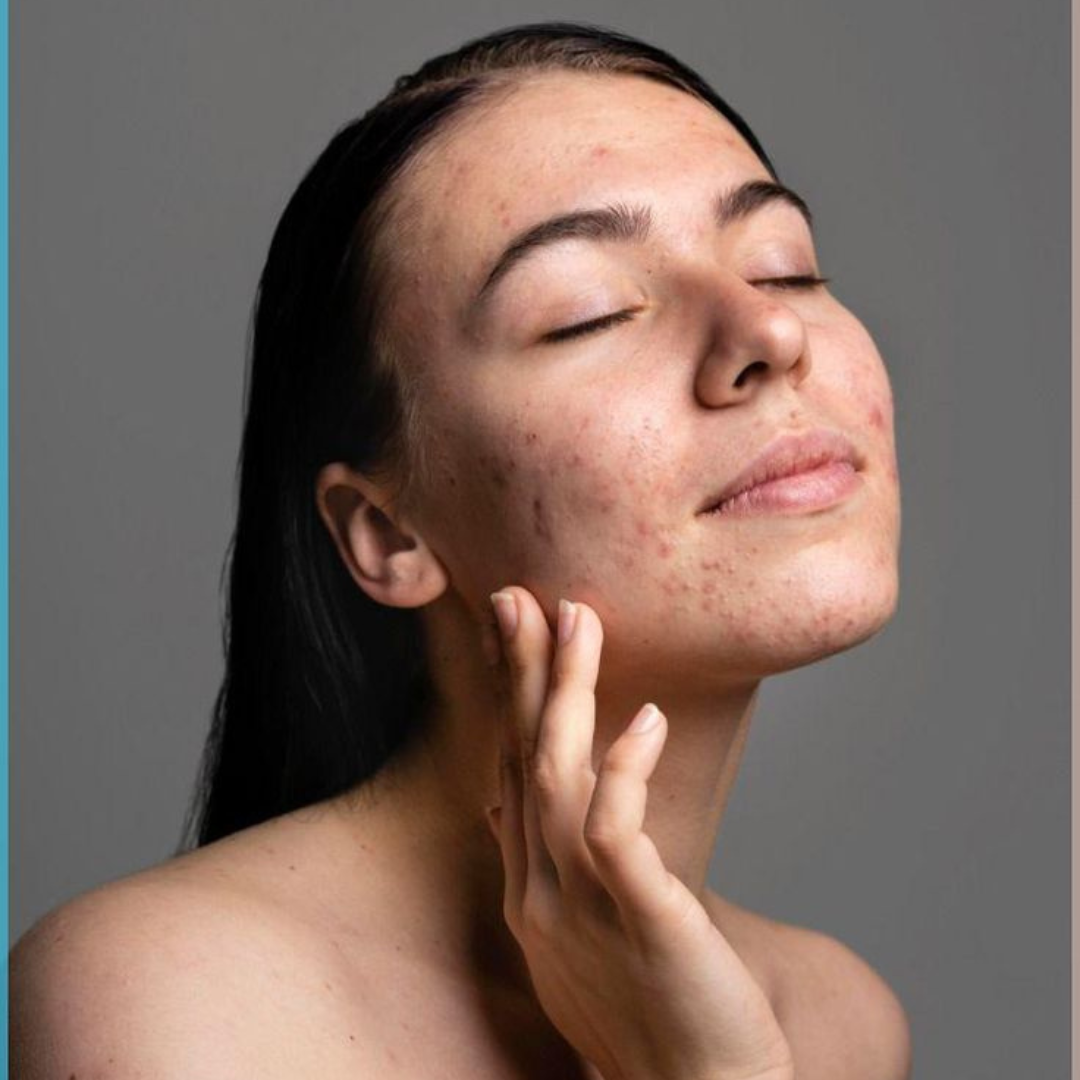
Understanding the 7 Types of Acne: Causes, Symptoms & Solutions You’ve tried every cleanser, every spot treatment, every trending skincare routine—and still the breakouts keep coming back. If that sounds familiar, here’s what’s likely going wrong: most people treat their acne without understanding which type they actually have. Acne isn’t a single condition. It’s a spectrum of different disorders, each with its own causes, triggers, and treatment needs. Using the wrong approach — no matter how consistently — won’t deliver results. Worse, untreated acne can lead to permanent scarring, post-inflammatory pigmentation, and lasting damage to your confidence. This guide breaks down all 7 types of acne, explains what causes them, and outlines the most effective solutions available — including the advanced, medically supervised treatments at Facelit Clinic. What Causes Acne? Acne develops when hair follicles become clogged with sebum (the skin’s natural oil), dead skin cells, and bacteria. When the sebaceous glands overproduce oil — triggered by hormones, stress, or genetics — it creates an environment where bacteria thrive and inflammation follows. Key contributing factors include hormonal fluctuations (especially androgens), genetics, chronic stress, a high-glycemic diet, dairy consumption, pore-clogging cosmetics, and environmental pollution. The earlier acne is treated correctly, the lower the risk of permanent scarring. Delaying care, or treating the wrong type with the wrong products, is the most common reason acne leaves lasting marks. The 7 Types of Acne Explained 1. Blackheads (Open Pores) Blackheads happen when oil and dead skin clog your pores, but the pore stays open. When exposed to air, it turns dark — it’s not dirt. They usually appear on the nose, forehead, and chin. Treatment:Salicylic acid face wash, retinoids, and professional cleaning or chemical peels for deeper blockage. 2. Whiteheads (Closed Pores) Whiteheads are small bumps where the pore is completely closed. They often happen due to heavy creams or pore-clogging products. Squeezing them can make things worse and lead to infection. Treatment:Mild exfoliation (AHA/BHA), non-comedogenic skincare, retinoids, and safe extraction by professionals. 3. Papules (Red Bumps) Papules are red, swollen pimples without pus. They happen when bacteria infect clogged pores. Touching or picking them can cause marks and scars. Treatment:Benzoyl peroxide, antibiotic creams, and dermatologist-recommended retinoids. Avoid touching. 4. Pustules (Pus Pimples) These are the typical pimples with a white or yellow center. They contain pus and indicate infection. Popping them can spread bacteria and cause scars. Treatment:Benzoyl peroxide, antibiotic creams, and in some cases, oral medication. Let them heal naturally. 5. Nodules (Deep Painful Acne) Nodules are large, hard, painful lumps under the skin. They don’t have a visible head and last for weeks. Home treatments usually don’t work. Treatment:Oral medications, injections, or advanced dermatology treatments. Professional care is necessary. 6. Cystic Acne (Severe Acne) Cystic acne is the most serious type — large, painful, fluid-filled acne deep under the skin. It often leaves scars and is usually linked to hormones. Treatment:Isotretinoin, hormonal treatment, injections, and advanced skin procedures. Always needs expert care. 7. Hormonal Acne (Adult Acne) Hormonal acne usually appears on the jawline, chin, and neck. It’s common in adults, especially women, and is linked to hormonal changes like periods, PCOS, or stress. Treatment:Hormonal evaluation and medications like spironolactone or birth control, along with targeted skincare and clinic treatments. Home Care vs. Professional Treatment A solid home routine is the foundation of acne management. For mild, occasional breakouts, consistent use of a gentle cleanser, non-comedogenic moisturizer, daily SPF, and an active ingredient like salicylic acid or benzoyl peroxide can make a real difference. Supporting your skin with a balanced diet, stress management, and adequate sleep also helps more than most people realize. But home care has clear limits. If your acne involves painful nodules or cysts, recurring pustules, or breakouts along the jawline, or you’re noticing scarring and dark spots—professional treatment is the right next step. A good rule of thumb: if you’ve been consistent with home care for 6–8 weeks and your skin isn’t improving, it’s time to see a dermatologist. Professional Acne Treatments at Facelit Clinic At Facelit Clinic, treatment begins with a thorough skin analysis and acne grading — because correctly identifying your acne type determines everything that follows. Our dermatologists build personalized, phased treatment plans that address active acne, prevent recurrence, and treat existing scarring. 1. Chemical Peels for Acne Control Medical-grade peels using salicylic, glycolic, or mandelic acid dissolve dead skin cells, unclog pores, and reduce active inflammation. Ideal for comedonal and mild-to-moderate inflammatory acne. Typically 4–6 sessions with minimal downtime, with progressive improvement from the second or third session. 2. HydraFacial for Deep Cleansing This multi-step treatment simultaneously cleanses, exfoliates, extracts congestion, and infuses hydrating serums. It is safe for active acne and can be customized with anti-acne boosters. No downtime. Recommended as a monthly maintenance treatment alongside other therapies. 3. Laser Therapy for Active Acne Targeted laser wavelengths destroy acne-causing bacteria and reduce sebaceous gland activity. Highly effective for inflammatory acne — papules, pustules, and early cysts. Sessions are typically 20–30 minutes with minimal downtime, with results becoming visible within 3–4 sessions. 4. MNRF / Microneedling for Acne Scars Microneedling with radiofrequency (MNRF) stimulates deep collagen remodelling, making it one of the most effective treatments for atrophic acne scars—including ice-pick, rolling, and boxcar scars. Recommended once acne is controlled. 3–5 sessions typically required, with gradual improvement over 3–6 months. 5. PRP Therapy for Healing and Regeneration PRP therapy uses growth factors from your own blood to accelerate skin repair, improve texture, and reduce pigmentation from old acne marks. Often combined with microneedling for enhanced results. Safe for all skin types, including Indian skin. 6. Combination Therapy for Stubborn Acne For moderate-to-severe cases, the best outcomes come from combining topical medical management with in-clinic procedures. Our team builds a phased treatment plan that addresses active acne, prevents new breakouts, and treats existing scars simultaneously, including prescribed retinoids, antibiotics, hormonal therapies, and isotretinoin where appropriate. Take the First Step Toward Clear Skin Acne is deeply personal—and often exhausting. But with the right understanding of your
How To Get Rid of Pimple Marks from Face

How To Get Rid of Pimple Marks from Face: Your Complete Guide to Clearer Skin You finally got rid of the pimple—but now there’s a dark spot staring back at you. If you’ve been searching for how to get rid of pimple marks from your face and feeling overwhelmed by conflicting advice, you’re not alone. Millions of people deal with the frustrating aftermath of acne: uneven skin tone, stubborn dark patches, and a complexion that still doesn’t feel camera-ready even after the breakout is long gone. The good news? Pimple marks are not permanent, and with the right approach—whether through a consistent skincare routine or professional dermatological treatment—clear, even-toned skin is absolutely within reach. Understanding Pimple Marks: What Are They, and Why Do They Happen? Pimple Marks vs. Acne Scars: An Important Distinction Many people use ‘pimple marks‘ and ‘acne scars‘ interchangeably, but they are different conditions requiring different treatments. Pimple marks—medically known as post-inflammatory hyperpigmentation (PIH)—are flat, discolored patches left behind after a pimple heals. They occur when inflammation triggers excess melanin production in the skin. Unlike true acne scars, pimple marks do not involve changes to skin texture or structure. Acne scars, by contrast, involve physical changes to the skin’s collagen—resulting in depressed (atrophic) or raised (hypertrophic) areas. This guide primarily addresses pimple marks and dark spots after pimples, though some treatments overlap. Why Do Some Marks Last Longer Than Others? Several factors can make post-inflammatory hyperpigmentation more stubborn or severe: Picking or squeezing pimples—this forces pigment deeper into the skin and dramatically worsens marks Sun exposure without SPF—UV rays stimulate melanin, darkening existing marks significantly Hormonal acne—fluctuating hormones intensify inflammation and the resulting pigmentation Deeper skin tones (Fitzpatrick III–VI)—melanin-rich skin, including many Indian skin tones, is more prone to PIH and takes longer to fade Improper skincare—using harsh, drying, or stripping products—delays the skin’s natural healing process Delayed treatment—fresh marks (under 3 months) typically respond much faster to treatment than older, deeper pigmentation Home Remedies and OTC Solutions: What Works and What Doesn’t Natural Remedies A number of kitchen and garden staples are popular for pimple mark removal at home. Aloe vera gel contains aloesin, a compound shown to mildly inhibit melanin production. Turmeric contains curcumin, which has anti-inflammatory and antioxidant properties that may offer modest brightening effects with consistent use. Green tea extract and licorice root are other natural ingredients with some evidence of pigmentation-reducing properties. The key word here is ‘modest.’ Natural remedies are gentle and unlikely to cause harm, but they work slowly — typically over months — and are best suited for very mild, fresh marks. They are not a reliable solution for deep or long-standing pigmentation. Over-the-Counter Creams and Serums Several OTC ingredients have stronger evidence behind them for acne mark treatment: Niacinamide (Vitamin B3)—reduces melanin transfer to skin cells and improves barrier function; great for daily use Vitamin C—a potent antioxidant that inhibits melanin synthesis; look for stable, well-formulated serums Alpha Hydroxy Acids (AHAs) like glycolic acid and lactic acid, exfoliate the top layer of skin, accelerating pigment turnover Kojic acid and azelaic acid—melanin inhibitors with clinical support for pigmentation treatment for face Retinoids (retinol OTC, Rx tretinoin) accelerate cell turnover and fade marks over weeks to months The Honest Limitations OTC products work best for mild, superficial, and recent marks. Deep post-inflammatory hyperpigmentation—especially in darker skin tones—is unlikely to fully resolve without professional-grade intervention. Beware of products that promise to ‘erase marks in days’; aggressive lightening agents like high-dose hydroquinone or mercury-containing creams can cause permanent skin damage and are best avoided without medical supervision. Daily Skincare Habits That Prevent New Pimple Marks Consistent daily habits are the foundation of lasting skin clarity. Here’s what dermatologists recommend: Cleanse gently—use a mild, sulphate-free cleanser twice daily; avoid scrubbing, which increases inflammation Moisturize daily—use a non-comedogenic moisturizer to support skin barrier repair; hydrated skin heals faster Sunscreen every single day—this is non-negotiable. SPF 30–50 PA+++ prevents UV-triggered darkening of existing marks and is arguably the single most important step in any pimple mark removal routine Don’t pick or pop—as tempting as it is, manipulating pimples guarantees worse and longer-lasting marks Watch your diet—high-glycaemic foods and dairy have been associated with acne flare-ups in some individuals; a balanced, antioxidant-rich diet supports skin regeneration Stay hydrated and prioritize sleep—both are essential for skin cell turnover and healing Professional Treatments for Pimple Mark Removal at Facelit Clinic When home care isn’t delivering the results you want, professional dermatological treatments offer significantly faster and more reliable outcomes. Here is a breakdown of the most effective options available at Facelit Clinic: 1. Chemical Peels for Pigmentation Correction Chemical peels use controlled concentrations of acids—glycolic, salicylic, mandelic, or TCA—to exfoliate the outer layers of skin, breaking up pigment clusters and stimulating fresh, evenly toned skin regeneration. They are highly effective for post-inflammatory hyperpigmentation and work well across most skin types. A course of 4–6 sessions spaced 2–4 weeks apart is typical, with minimal downtime (mild peeling for 2–5 days). Results begin to show after the second session and continue to improve with each treatment. 2. Laser Toning / Pigmentation Laser Laser toning uses low-fluence PICO-450 laser energy to break down melanin deposits beneath the skin’s surface. It is one of the most effective treatments for stubborn dark spots after pimples and works particularly well for Indian and South Asian skin tones, which are prone to PIH. Most patients need 6–10 sessions for optimal results, with no significant downtime. The skin gradually brightens over the weeks following each session. 3. Carbon Laser Facial The carbon laser facial (often called the ‘Hollywood Peel’) involves applying a thin layer of medical-grade carbon to the skin, then using a laser to vaporize it. This simultaneously exfoliates the surface, reduces pore size, and improves pigmentation with no downtime. It’s especially popular for patients who want visible brightening with zero recovery time. 4. Microneedling / MNRF for Texture and Marks Microneedling creates thousands of micro-channels in the skin, triggering a controlled healing response
How to Remove Accident Scars on Face

How to Remove Accident Scars on Face: A Complete Guide to Professional Scar Treatment Living with visible facial scars after an accident can deeply affect your confidence and quality of life. If you’re wondering how to remove accident scars on face, you’re not alone. Many people experience emotional distress from facial scars—avoiding mirrors, feeling self-conscious in social situations, spending hours applying layers of makeup to hide imperfections, and constantly worrying about what others might think. The frustration intensifies when home remedies and over-the-counter scar creams fail to deliver results. You may fear invasive procedures or wonder if your scars are too old or too deep to treat. The good news? Modern dermatological treatments offer safe, effective solutions for accident scar removal—regardless of scar age, type, or severity. This comprehensive guide will help you understand your options and take the first step toward clearer, smoother skin. Understanding Accident Scars: What Happens When Your Skin Heals Accident scars form when your skin undergoes trauma—whether from a fall, vehicle collision, burn, cut, or surgical intervention. When the dermis (the deep, thick layer of skin) is damaged, your body initiates a complex healing process involving collagen production to repair the wound. However, this repair mechanism doesn’t always restore your skin to its original state. The appearance of your scar depends on multiple factors: the depth and severity of the injury, your age at the time of trauma, your genetic predisposition to scarring, your skin type and tone, how well the wound was initially cared for, and sun exposure during healing. Facial skin is particularly delicate, and scars on the face tend to be more visible due to constant movement, exposure, and the thin texture of facial tissue. Types of Accident Scars on the Face Not all scars are created equal. Understanding your scar type is crucial for choosing the right treatment: Hypertrophic Scars: Raised, thickened scars that remain within the boundaries of the original wound. These occur when excessive collagen forms during healing. They’re typically red or pink and may feel firm or itchy. Atrophic Scars: Depressed or sunken scars resulting from loss of underlying tissue. Common after severe acne or traumatic injuries, these create an uneven skin texture with visible indentations. Keloid Scars: Aggressive overgrowth of scar tissue that extends beyond the original wound boundary. Keloids are more common in individuals with darker skin tones and can continue growing over time. Pigmentation Scars: Dark or discolored marks (post-inflammatory hyperpigmentation) left behind after trauma. These may appear brown, purple, or red depending on skin tone and healing response. Surgical Scars: Linear scars from stitches or medical procedures. While typically more controlled, they can still be prominent on facial areas depending on surgical technique and healing. Fresh vs. Old Scars: Fresh scars (under 1-2 years) are still actively remodeling and tend to respond faster to treatment. Old scars have fully matured, making them more challenging but still treatable with advanced procedures. The key is that both types can be significantly improved with the right professional approach. Home Remedies & Over-the-Counter Products: Setting Realistic Expectations Before investing time and money in home treatments, it’s important to understand what they can and cannot accomplish. Natural remedies like vitamin E oil, coconut oil, aloe vera, honey, lemon juice, and various scar creams containing silicone, onion extract, or retinol are widely marketed for scar improvement. What Home Remedies May Help With: Moisturizing and softening scar tissue Reducing minor redness in very superficial scars Slight lightening of mild pigmentation over several months Providing general skin nourishment and hydration What They Cannot Fix: Deep textural changes in raised or depressed scars Collagen damage at the dermal layer Keloid scar tissue or hypertrophic scar reduction Severe or stubborn pigmentation issues Significant visible improvement in old, mature scars The Risks of DIY Treatments: Using harsh ingredients like lemon juice or baking soda can irritate facial skin, cause chemical burns, or worsen pigmentation—especially on sensitive or darker skin tones. Attempting dermarolling at home without proper sterilization can lead to infections and make scarring worse. Once you’ve tried creams for 3-6 months without results, it’s time to seek professional dermatological care rather than continuing ineffective methods. Professional Treatments for How to Remove Accident Scars on Face Modern dermatology offers a range of evidence-based treatments that work at the cellular level to rebuild skin structure, stimulate collagen production, and fade discoloration. The best approach often involves combination therapy tailored to your unique scar characteristics. Microneedling & Microneedling Radiofrequency (MNRF) How It Works: Microneedling uses fine needles to create controlled micro-injuries in the skin, triggering the body’s natural healing response and new collagen production. MNRF combines microneedling with radiofrequency energy delivered deep into the dermis for enhanced collagen remodeling and skin tightening. Best For: Atrophic (depressed) scars, rolling scars, mild hypertrophic scars, uneven skin texture, and large pore appearance. Number of Sessions: Typically 3-6 sessions spaced 4-6 weeks apart, depending on scar severity. Downtime: 2-3 days of mild redness and swelling. Makeup can usually be applied after 24-48 hours. Results Timeline: Initial improvement visible after 2-3 sessions; optimal results appear over 3-6 months as collagen rebuilds. Maintenance: Maintenance sessions every 6-12 months help preserve improvements and continue collagen stimulation. Fractional CO2 Laser Resurfacing How It Works: This laser creates thousands of microscopic treatment zones that penetrate deep into the skin, vaporizing damaged tissue while stimulating collagen and elastin production. The fractional approach leaves surrounding tissue intact for faster healing. Best For: Deep atrophic scars, severe textural irregularities, old stubborn scars, surgical scars, and skin resurfacing for overall facial rejuvenation. Number of Sessions: 1-3 sessions depending on scar depth and treatment intensity level. Downtime: 5-7 days with noticeable redness, swelling, and peeling. Social downtime required. Results Timeline: Visible improvement within 2-4 weeks; continued enhancement over 6-12 months. Maintenance: Results are long-lasting; touch-up sessions may be done after 1-2 years if desired. View this post on Instagram A post shared by facelit (@facelitclinics) Chemical Peels for Pigmentation Scars How It Works: Medical-grade chemical solutions (glycolic acid, salicylic acid,
How to Remove Blackheads and Whiteheads Permanently

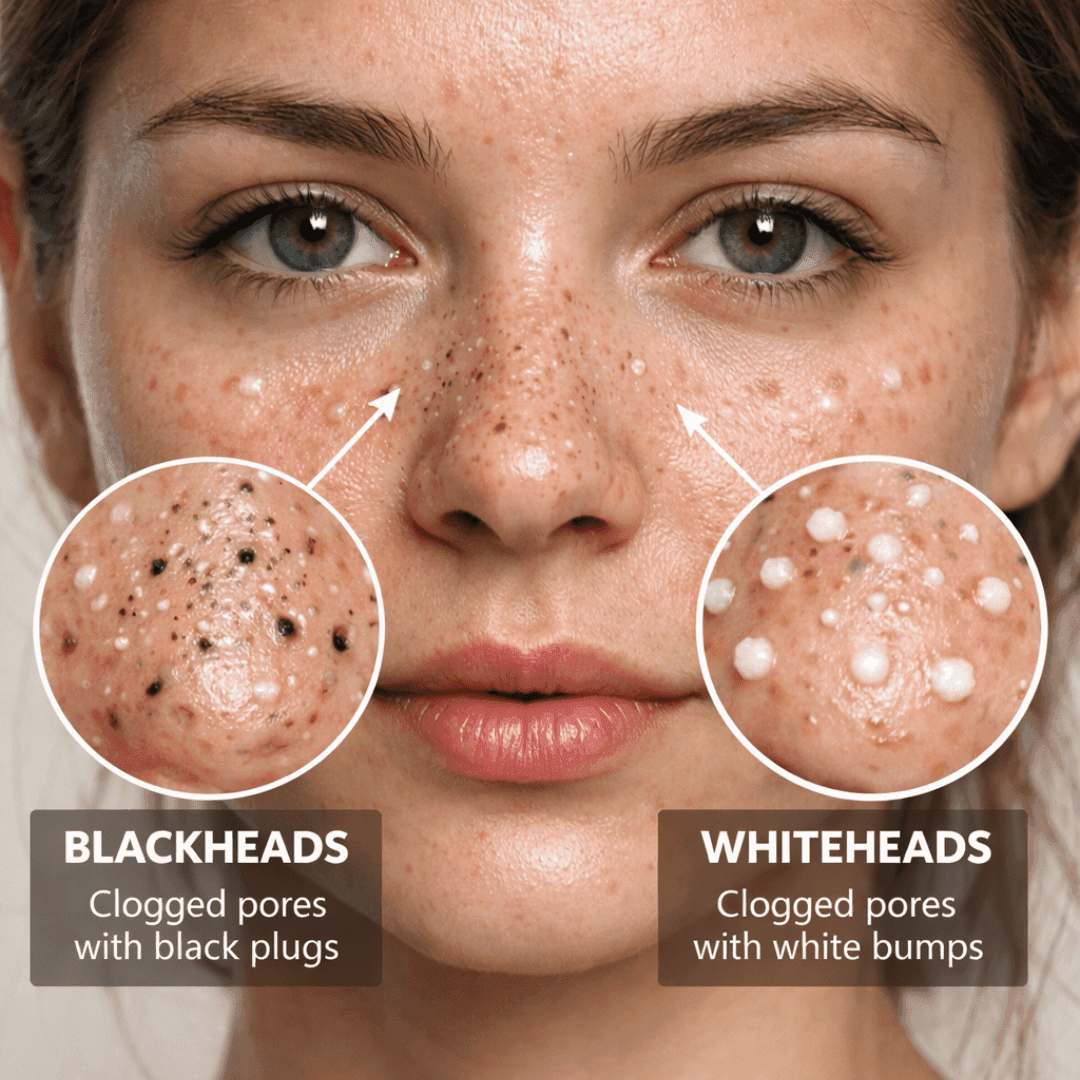
How to Remove Blackheads and Whiteheads Permanently: A Complete Guide to Clear, Smooth Skin If you’ve been struggling with stubborn blackheads on your nose, chin, and forehead, or dealing with recurring whiteheads that never seem to go away, you’re not alone. Thousands of people search every day for answers on how to remove blackheads and whiteheads permanently—and for good reason. These tiny skin concerns can make your complexion look dull, your pores appear larger, and leave you feeling frustrated despite trying countless products and DIY remedies. The truth is, achieving truly clear skin requires understanding what causes these pesky comedones, why they keep coming back, and which professional treatments can actually deliver long-term results. In this comprehensive guide, we’ll walk you through everything you need to know about blackhead removal treatment, whitehead removal treatment, and the most effective strategies to achieve permanently clearer, smoother skin. Understanding Blackheads and Whiteheads: What Are They Really? Before diving into solutions, let’s clarify what you’re dealing with. Blackheads (Open Comedones): These are small, dark bumps that appear when your pores get clogged with excess oil (sebum), dead skin cells, and bacteria. The “black” appearance isn’t dirt—it’s oxidized oil exposed to air. Whiteheads (Closed Comedones): Unlike blackheads, whiteheads are covered by a thin layer of skin. The trapped oil and debris create small white or flesh-colored bumps that don’t oxidize because they’re sealed beneath the surface. Both are forms of non-inflammatory acne, but they share the same root causes and can be equally frustrating to manage. Why Do Blackheads and Whiteheads Keep Coming Back? You’ve tried pore strips, scrubs, and extraction tools. You wash your face religiously. Yet within days or weeks, they return. Why? The answer lies in several persistent factors: Excess Oil Production: Your sebaceous glands naturally produce oil to protect your skin. When overactive—often due to genetics, hormones, or stress—they create the perfect environment for clogged pores. Dead Skin Cell Buildup: Your skin constantly sheds dead cells. Without proper exfoliation, these cells mix with oil and form plugs in your pores. Hormonal Fluctuations: Hormonal changes during puberty, menstruation, pregnancy, or conditions like PCOS can trigger increased oil production and recurring breakouts. Makeup and Skincare Products: Heavy, pore-clogging formulations can trap debris and worsen comedones, especially if not removed properly. Environmental Pollution: Airborne pollutants, dust, and toxins settle on your skin throughout the day, mixing with oil and blocking pores. Touching Your Face: Frequent touching transfers bacteria and oil from your hands to your face, contributing to breakouts. Improper Extraction Techniques: Squeezing blackheads and whiteheads with your fingers can damage your skin, enlarge pores, cause scarring, and push bacteria deeper—making the problem worse. The bottom line? Temporary fixes only address surface symptoms. Without controlling oil production, improving cell turnover, and maintaining proper pore health, these issues will continue to resurface. Can Blackheads and Whiteheads Really Be Removed Permanently? Let’s set realistic expectations. Complete “permanence” is difficult because your skin continuously produces oil and sheds cells. However, with the right combination of professional treatments, medical-grade skincare, and consistent maintenance, you can achieve long-term pore clarity and prevent most blackheads and whiteheads from forming. Think of it like managing your oral health—regular brushing, flossing, and dental cleanings keep cavities at bay. Similarly, a strategic skincare approach combined with professional deep pore cleansing treatments can keep your skin clear for extended periods. The key is addressing the root causes rather than just extracting existing comedones. Home Remedies and Over-the-Counter Products: What Works and What Doesn’t Many people start their journey with DIY methods and drugstore products. While some can help, it’s important to understand their limitations. What Can Help: Salicylic Acid Cleansers: This beta-hydroxy acid (BHA) penetrates oil to exfoliate inside pores and prevent clogging. Use 1-2% concentration daily. Benzoyl Peroxide Spot Treatments: Kills acne-causing bacteria and helps reduce inflammation. Start with 2.5% to avoid irritation. Retinol or Retinoids: These vitamin A derivatives increase cell turnover, prevent pore clogging, and improve skin texture over time. Clay Masks: Weekly use of bentonite or kaolin clay masks can absorb excess oil and draw out impurities temporarily. Double Cleansing: Using an oil-based cleanser followed by a gentle foaming cleanser ensures thorough makeup and debris removal. Non-Comedogenic Moisturizers: Even oily skin needs hydration. Choose lightweight, oil-free formulas that won’t clog pores. What to Avoid: Pore Strips: They may give instant satisfaction but only remove surface debris. They can also irritate skin and don’t prevent recurrence. Harsh Scrubs: Physical exfoliants with rough particles can micro-tear skin, worsen inflammation, and stimulate more oil production. Squeezing and Picking: This damages your skin barrier, enlarges pores, causes scarring, and can lead to infection. Lemon Juice and Baking Soda: Despite popular myths, these are too harsh and disrupt your skin’s pH balance, causing more harm than good. Skipping Sunscreen: UV damage thickens skin and enlarges pores. Always use non-comedogenic SPF 30 or higher. While good skincare habits form the foundation, they often aren’t enough for deeply embedded comedones or chronic oily skin concerns. That’s where professional intervention makes all the difference. Daily Skincare Habits to Prevent Blackheads and Whiteheads Consistency is crucial. Build these habits into your routine: Cleanse twice daily with a gentle, pH-balanced cleanser Exfoliate 2-3 times weekly with chemical exfoliants (AHAs or BHAs) Apply treatments with active ingredients like retinol or niacinamide Moisturize even if you have oily skin Use non-comedogenic, oil-free makeup and skincare products Remove makeup completely every night Change pillowcases regularly Avoid touching your face unnecessarily Stay hydrated and maintain a balanced diet Manage stress through sleep, exercise, and relaxation techniques These habits support professional treatments and help maintain results long-term. Professional Dermatologist-Recommended Treatments for Deep Pore Cleansing View this post on Instagram A post shared by facelit (@facelitclinics) When over-the-counter solutions fall short, advanced professional treatments target the deeper causes of blackheads and whiteheads. At Facelit Clinic, we offer medically supervised treatments designed for lasting pore refinement and oil control. Here are the most effective options: 1. HydraFacial Treatment How It Works: This multi-step treatment uses patented
How to Get Rid of Under Eye Bags 7 Proven Ways

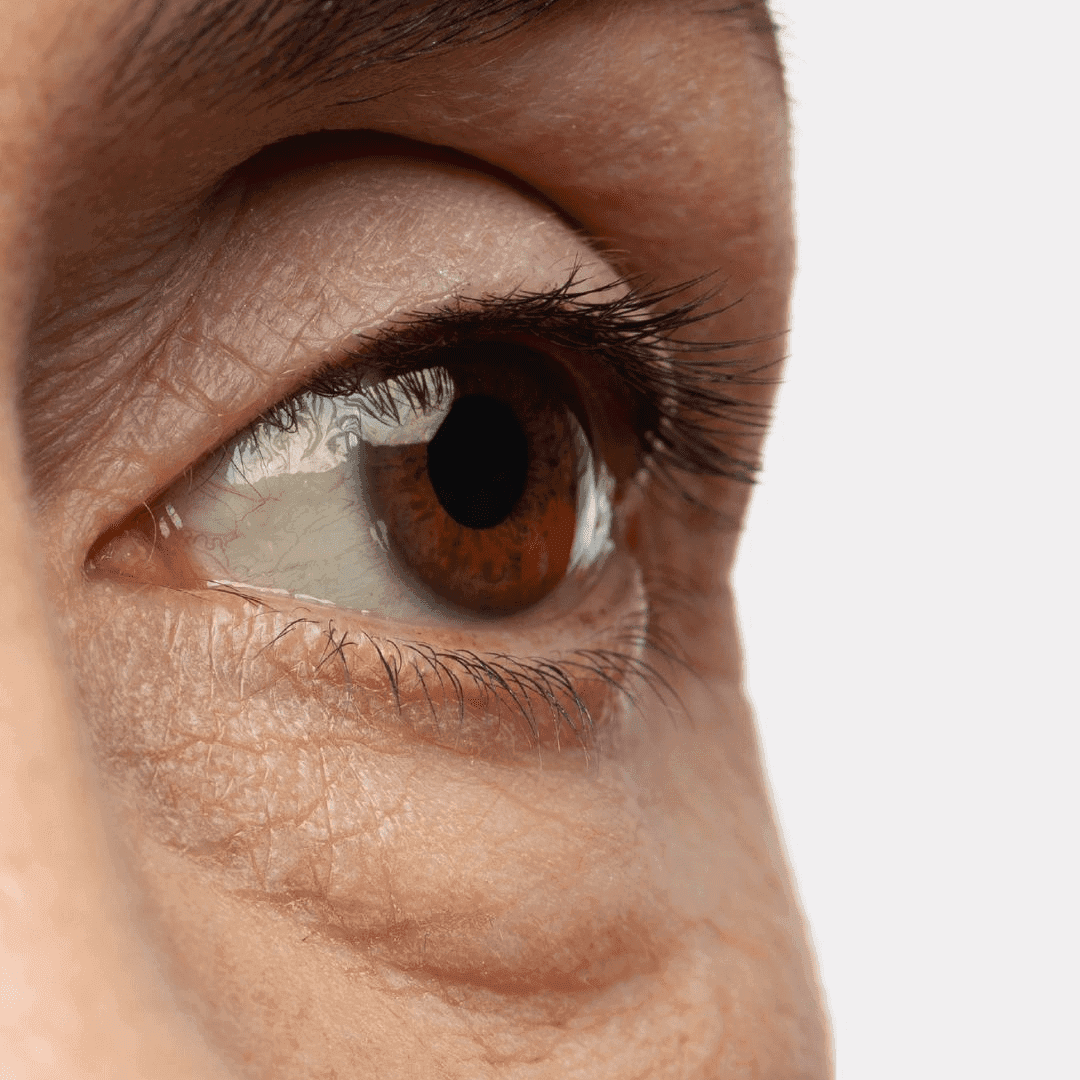
How to Get Rid of Under Eye Bags? 7 Proven Ways to Look Refreshed and Youthful You look in the mirror and see them—those puffy under-eye bags that make you look exhausted even when you’re not. Maybe you slept well, drank enough water, and still woke up looking tired and older than you feel. The frustration is real. You’ve tried cucumber slices, expensive eye creams, and countless home remedies. Some give temporary relief, but the bags always come back. You’re left wondering: what actually works? If you’re struggling with persistent under-eye bags that affect your confidence and make you look perpetually tired, you’re in the right place. Understanding how to get rid of under-eye bags starts with knowing what causes them and which proven solutions deliver real, lasting results. Let’s cut through the confusion and explore 7 evidence-based ways to address under-eye bags—from simple lifestyle fixes to advanced professional treatments. What Causes Under-Eye Bags? Before jumping into solutions, it’s crucial to understand what you’re dealing with. Under-eye bags develop when the tissues and muscles supporting your eyelids weaken. Fat that normally supports the eyes can shift forward into the lower eyelids, creating that puffy, swollen appearance. Common causes include: Aging—weakened collagen and muscle tone Genetics—inherited predisposition to puffiness Fluid retention—from salt, allergies, or sleeping position Lack of sleep disrupts skin repair and increases inflammation Prolonged screen time causes eye strain and fluid buildup Lifestyle factors—smoking, alcohol, stress, dehydration Understanding your specific cause helps determine which treatment approach will work best for you. Under Eye Bags vs. Puffiness vs. Dark Circles vs. Hollowness It’s important to understand the difference: Eye bags: Structural bulging of fat or tissue below the eye Puffiness: Temporary swelling from fluid retention Dark circles: Pigmentation or shadowing under the eyes Hollowness (tear troughs): Volume loss creating a sunken appearance Often, these conditions overlap. Someone may have both eye bags and dark circles, or hollowness that makes bags appear more pronounced. That’s why personalized assessment is crucial before choosing a treatment. 7 Proven Ways to Get Rid of Under-Eye Bags 1. Fix Your Sleep and Lifestyle Habits The foundation of any under-eye improvement starts here. Poor sleep doesn’t just make you feel tired—it causes fluid retention, inflammation, and prevents your skin from repairing itself overnight. What to do: Get 7-8 hours of quality sleep consistently Elevate your head with an extra pillow to prevent fluid accumulation Reduce sodium intake, especially in evenings Stay hydrated throughout the day Limit alcohol and caffeine before bed Manage allergies with appropriate treatment Who it works for: Everyone — this is essential whether you pursue professional treatments or not. Results: You’ll notice reduced morning puffiness within 1-2 weeks. While this won’t eliminate structural fat displacement, it significantly improves overall appearance and maintains results from other treatments. 2. Cold Compress and Targeted Eye Care Cold therapy constricts blood vessels and reduces swelling—it’s simple physics that actually works for temporary relief. How to apply it correctly: Use chilled gel eye masks, cold spoons, or cucumber slices Apply for 10-15 minutes in the morning Use gentle circular massage around the eye area to promote drainage Apply eye creams with tapping motions, never pulling or dragging Look for eye products containing: Caffeine (reduces puffiness) Vitamin K (improves circulation) Peptides (strengthen skin) Hyaluronic acid (hydrates and plumps) Who it works for: Anyone with morning puffiness or mild temporary eye bags. Results: Immediate temporary improvement. With daily routine, gradual enhancement in skin tone and minor reduction in bags. However, results require ongoing maintenance. 3. Medical-Grade Eye Creams That Actually Work Here’s the truth: most drugstore eye creams aren’t strong enough to make significant changes. Medical-grade formulations contain higher concentrations of proven active ingredients that penetrate deeper skin layers. Key ingredients that deliver results: Retinol—boosts collagen production and improves skin thickness Vitamin C—brightens and protects against damage Peptides—support collagen and elastin Niacinamide—strengthens skin barrier and reduces inflammation Who it works for: People with mild to moderate under-eye bags and early signs of aging. Results: Visible improvement in 6-12 weeks with consistent use. You’ll see reduced fine lines, improved texture, and a modest reduction in puffiness. But understand—creams cannot eliminate significant fat displacement or severe tissue laxity. At Facelit Clinic, our dermatologists recommend pharmaceutical-grade eye care products specifically matched to your skin type and concerns. 4. Chemical Peels for Dark Circles and Texture When dark circles make your eye bags look worse, gentle chemical peels designed for the delicate under-eye area can make a dramatic difference. How it works: Medical-grade acids exfoliate damaged skin layers, stimulate collagen production, and reduce pigmentation. Types used for under eyes: Glycolic acid (improves brightness) TCA peels at low concentration (deeper rejuvenation) Lactic acid (gentle hydration and exfoliation) Who it works for: Those with pigmentation, crepey skin texture, or fine lines accompanying their eye bags. Results: Brighter, smoother skin within 2-4 weeks. Best results come from a series of treatments. However, peels address skin quality rather than structural bags. Safety note: The under-eye area is extremely delicate. These peels must be performed by experienced professionals to avoid complications. 5. Skin Boosters for Deep Hydration and Skin Quality Skin boosters are injectable treatments that hydrate skin from within and stimulate collagen production. Unlike fillers, they don’t add volume—they improve skin quality itself. Popular options: Profhilo (bio-remodeling treatment) Volite (designed for delicate areas) Polynucleotides (DNA-based regeneration) Who it works for: People with thin, dehydrated under-eye skin, fine lines, and mild laxity where poor skin quality makes bags worse. Results: Visible improvement in hydration, texture, and radiance within 2-4 weeks. Reduced fine lines and improved elasticity. Effects last 6-9 months with maintenance treatments. Facelit Clinic uses advanced skin booster treatments with precise injection techniques to ensure comfortable procedures and natural-looking results. 6. PRP Therapy—Your Body’s Natural Healing Power PRP (Platelet-Rich Plasma) uses your own blood’s growth factors to regenerate and strengthen under-eye skin. A small blood sample is processed to concentrate healing platelets, then injected into the under-eye area. Why it works: Stimulates natural collagen production Improves skin thickness and
How to Get Rid of Chickenpox Scars on Face

How to Get Rid of Chickenpox Scars on Face: Expert Solutions That Actually Work If you’re struggling with how to get rid of chickenpox scars on face, you’re not alone. Many people live with visible pitted marks, dark spots, and uneven skin texture long after chickenpox has healed. These scars can affect your confidence, especially when makeup fails to cover them properly and home remedies don’t deliver the permanent results you’re hoping for. You might have tried aloe vera, lemon juice, or vitamin E oil—only to see minimal improvement. Perhaps you’re curious about professional treatments like laser or microneedling but feel uncertain about safety, cost, or downtime. The truth is, chickenpox scars on facial skin are stubborn, and without proper dermatological care, they can persist for years or even a lifetime. This guide will walk you through everything you need to know: what chickenpox scars are, why they form, and most importantly, which treatments actually work to restore smooth, even-toned skin. What Are Chickenpox Scars, and Why Do They Form on the Face? Chickenpox scars develop when the varicella-zoster virus causes deep skin lesions that damage the dermal layer. Unlike surface-level wounds, chickenpox blisters penetrate deeper into the skin. When these blisters are scratched, picked, or become infected, the skin’s natural healing process is disrupted, leading to permanent scarring. Facial skin is particularly vulnerable because it’s thinner and more delicate than skin on other parts of the body. This makes scars on the face more noticeable and harder to fade naturally. Why Facial Chickenpox Scars Are So Persistent Thin dermal layer: Less collagen support means deeper indentations High visibility: Scars on the face are exposed to sun, pollution, and daily stress Collagen disruption: Deep lesions break down collagen fibers that don’t regenerate on their own Pigmentation changes: Post-inflammatory hyperpigmentation (dark spots) can linger for months or years Types of Chickenpox Scars on Face Understanding your scar type is the first step toward choosing the right treatment. 1. Ice-Pick Scars These are narrow, deep, pitted scars that look like small puncture marks. They’re the most common type of chickenpox scar and the hardest to treat with topical products alone. 2. Boxcar Scars Wider depressions with defined edges, these scars create a crater-like appearance on the skin. They’re often found on the cheeks and temples. 3. Post-Inflammatory Hyperpigmentation (Dark Marks) These aren’t true scars but discolored patches left behind after healing. They can be brown, red, or purple and may fade over time but often require treatment for faster results. 4. Hypertrophic Scars Raised, thickened scars that form when the body produces too much collagen during healing. These are less common with chickenpox but can occur. Fresh Scars vs. Old Chickenpox Scars: What’s the Difference? Fresh scars (under 1 year old) are still in the remodeling phase. The skin is actively producing collagen, making it more responsive to treatments like vitamin C serums, silicone gels, and gentle chemical peels. Old scars (over 1 year) are mature and have settled into the skin’s structure. They require more aggressive interventions such as laser resurfacing, microneedling, or dermal fillers to stimulate collagen production and tissue regeneration. The good news? Even old chickenpox scars can be significantly improved with the right professional treatment plan. Can Chickenpox Scars Be Removed Completely? Let’s be honest: complete removal of deep chickenpox scars is challenging. However, modern dermatological treatments can dramatically reduce their appearance—often by 50% to 80%—resulting in smoother, more even-toned skin. Your results will depend on: Scar depth and type Skin tone and texture Age of the scars Treatment method and consistency Your body’s natural healing response While some superficial scars and pigmentation marks can fade almost completely, deep pitted scars typically improve significantly but may not vanish entirely. The goal is visible improvement and restored confidence—not perfection. Dermatologist-Recommended Treatments for Chickenpox Scars on Face Professional treatments target the root cause of scarring by stimulating collagen production, resurfacing damaged skin, and promoting cellular regeneration. Here are the most effective clinical solutions: 1. Microneedling with Radiofrequency (MNRF) Microneedling creates controlled micro-injuries in the skin using fine needles, triggering the body’s natural healing response. When combined with radiofrequency energy (MNRF), it heats the deeper dermal layers to boost collagen and elastin production. How it works: Tiny needles penetrate the scar tissue while radiofrequency energy tightens and remodels the skin from within. Best for: Ice-pick scars, boxcar scars, uneven texture Number of sessions: 4–6 sessions, spaced 4–6 weeks apart Downtime: 2–3 days of mild redness and sensitivity Visible results: Noticeable improvement in 3–6 months as collagen rebuilds Safety: FDA-approved, safe for most skin types when performed by trained professionals 2. Chemical Peels Chemical peels use acids (glycolic, salicylic, and TCA) to exfoliate the top layers of skin, revealing fresher, smoother skin underneath. How it works: The peel removes dead skin cells and stimulates collagen turnover, improving texture and tone. Best for: Superficial scars, pigmentation marks, mild texture issues Types: Superficial peels: Minimal downtime, subtle results Medium-depth peels: More effective for chickenpox scars; 5–7 days of peeling Number of sessions: 3–6 sessions for optimal results Downtime: Varies from a few hours to one week Visible results: Gradual improvement over 2–3 months Safety: Generally safe; darker skin tones require careful selection of peel type 3. Laser Resurfacing ( CO2 Fractional Lasers) Laser resurfacing is one of the most powerful treatments for deep chickenpox scars. It removes damaged skin layers and stimulates collagen regeneration. How it works: C02 Fractional lasers create microscopic treatment zones, leaving surrounding tissue intact for faster healing. Best for: Deep pitted scars, severe texture irregularities Number of sessions: 1–3 sessions, depending on scar severity Downtime: 5–10 days of redness, swelling, and peeling Visible results: Dramatic improvement visible within 3–6 months Safety: Highly effective but requires experienced practitioners; not ideal for very dark skin tones without proper protocols View this post on Instagram A post shared by facelit (@facelitclinics) 4. Carbon Laser Peel (PICO Laser) Also known as the “Hollywood Peel,” this treatment uses a carbon-based lotion and laser energy
How to Get Rid of Tan on Face and Body

How to Get Rid of Tan on Face and Body: Expert Solutions That Actually Work We’ve all been there—you apply sunscreen religiously, stay indoors when possible, yet that stubborn tan refuses to fade. You’ve tried every home remedy your grandmother swore by, scrubbed with lemon and honey, and applied countless face packs, but your skin tone remains uneven. The tan on your arms looks different from your face, your neck is two shades darker, and no matter what you do, that sun-damaged glow just won’t budge. If you’re frustrated with persistent tan, dark patches, and dull skin that home remedies can’t fix, you’re not alone. Understanding what truly causes tanning and knowing which treatments actually work can save you months of trial and error. Understanding What Causes Tanning on Face and Body Tanning isn’t just about spending a day at the beach. Your skin darkens as a protective response to various environmental aggressors. Primary causes of skin tanning include: Sun exposure triggers your skin to produce melanin, the pigment responsible for skin color. When UV rays penetrate your skin, melanocytes work overtime to shield deeper layers from damage. This results in that darkened, tanned appearance. Pollution and dust particles settle on your skin throughout the day, causing oxidative stress and contributing to a dull, uneven complexion. City dwellers often notice darker skin on exposed areas like the face, neck, and hands. Hormonal changes, certain medications, and lifestyle factors like poor sleep and stress can intensify pigmentation and make a tan appear worse than it is. The real issue? Most people don’t realize they’re dealing with layered tanning—a combination of surface-level tan, deeper sun damage, and underlying pigmentation issues that require different approaches. Temporary Tan vs. Deep Sun Damage: Know the Difference Not all tanning is created equal, and this is where most DIY treatments fall short. Temporary tan sits on the surface layers of your skin. It develops from recent sun exposure and can fade within a few weeks with proper care. This type responds reasonably well to gentle exfoliation and brightening ingredients. Deep sun damage penetrates into the dermis, affecting melanocytes at a cellular level. This creates stubborn pigmentation, dark spots, and an uneven skin tone that persists for months or even years. You’ll recognize deep damage by its resistance to home remedies and its tendency to return quickly after fading. Sun damage also includes textural changes—rough patches, fine lines, and a leathery appearance that ages your skin prematurely. This type of tanning requires professional intervention because it involves cellular changes that topical home treatments simply cannot address. Why Home Remedies Often Fail to Remove Deep Tan Let’s be honest about home remedies. While natural ingredients like lemon, tomato, turmeric, and yogurt have skin-brightening properties, they work primarily on superficial tans. Here’s why they’re limited: Natural ingredients cannot penetrate deep enough to address melanin production at the dermal level. They work on the outermost layer of dead skin cells, providing temporary brightness rather than lasting tan removal. Inconsistent application and incorrect combinations can irritate your skin. Lemon juice, for instance, is highly acidic and can cause photosensitivity, making your tan worse if you step out in the sun afterward. Home remedies lack the controlled, clinical-grade concentrations needed to break down stubborn pigmentation. What works as a gentle brightener cannot compete with accumulated sun damage from months or years of exposure. Most importantly, DIY treatments don’t address the root cause—ongoing UV damage and melanin production. Without professional-grade sun protection and melanin-regulating treatments, the tan returns as soon as you’re exposed to the sun again. How to Remove Tan Naturally at Home (With Realistic Expectations) Natural methods can help with a mild, recent tan and maintain results after professional treatments. Here’s what actually works, with honest limitations. Effective natural tan removal approaches: Exfoliation with gentle scrubs removes dead skin cells that hold pigment. Use gram flour mixed with milk or yogurt two to three times weekly. This helps surface tans fade gradually but won’t penetrate deeper pigmentation. Aloe vera gel soothes sun-damaged skin and provides mild brightening. Apply fresh gel nightly. It’s excellent for calming inflammation but limited for stubborn tan removal. Potato or cucumber juice contains natural enzymes that gently lighten skin. Apply the juice, leave for 15 minutes, then rinse. Results are subtle and temporary. Yogurt and honey masks provide gentle exfoliation and hydration. The lactic acid in yogurt offers mild brightening, though it is far less potent than professional-grade acids. Vitamin C-rich foods and topicals help reduce melanin production over time. Include oranges, strawberries, and tomatoes in your diet, and use vitamin C serums for better absorption. The reality check: Natural methods take eight to twelve weeks to show minimal improvement on light tan. Deep pigmentation, uneven tone on face and body, and sun damage from prolonged exposure require professional dermatological intervention for meaningful, lasting results. Professional Dermatological Treatments for Effective Tan Removal When home remedies aren’t enough, professional treatments offer scientifically proven solutions that target the tan at its source. Chemical Peels for Tan Removal Chemical peels use medical-grade acids to remove damaged outer layers and stimulate new, healthy skin growth. How they work: Glycolic acid, salicylic acid, or TCA peels are applied to your skin in controlled concentrations. The peel exfoliates dead, pigmented cells and accelerates cell turnover, revealing fresher, brighter skin underneath. Best for: Facial tan, uneven skin tone, mild to moderate pigmentation, and dull complexion. Expected results: Noticeable brightening after the first session, with optimal results after four to six sessions spaced two to three weeks apart. Peels also improve skin texture and reduce fine lines. Safety: When performed by experienced dermatologists, chemical peels are safe with minimal downtime. Some redness and peeling occur for a few days post-treatment. Carbon Laser Facial (Hollywood Peel) This advanced treatment combines laser technology with carbon particles to deeply cleanse pores and remove tan. The process: A carbon-based solution is applied to your skin, which penetrates pores. A laser then targets the carbon, creating heat that vaporizes