


Jun 25, 2025
How to Fade Acne Scars on Dark Skin
Learn the best ways to fade acne scars on dark skin using dermatologist-approved methods. Get clear, even-toned skin with targeted ingredients and real solutions.
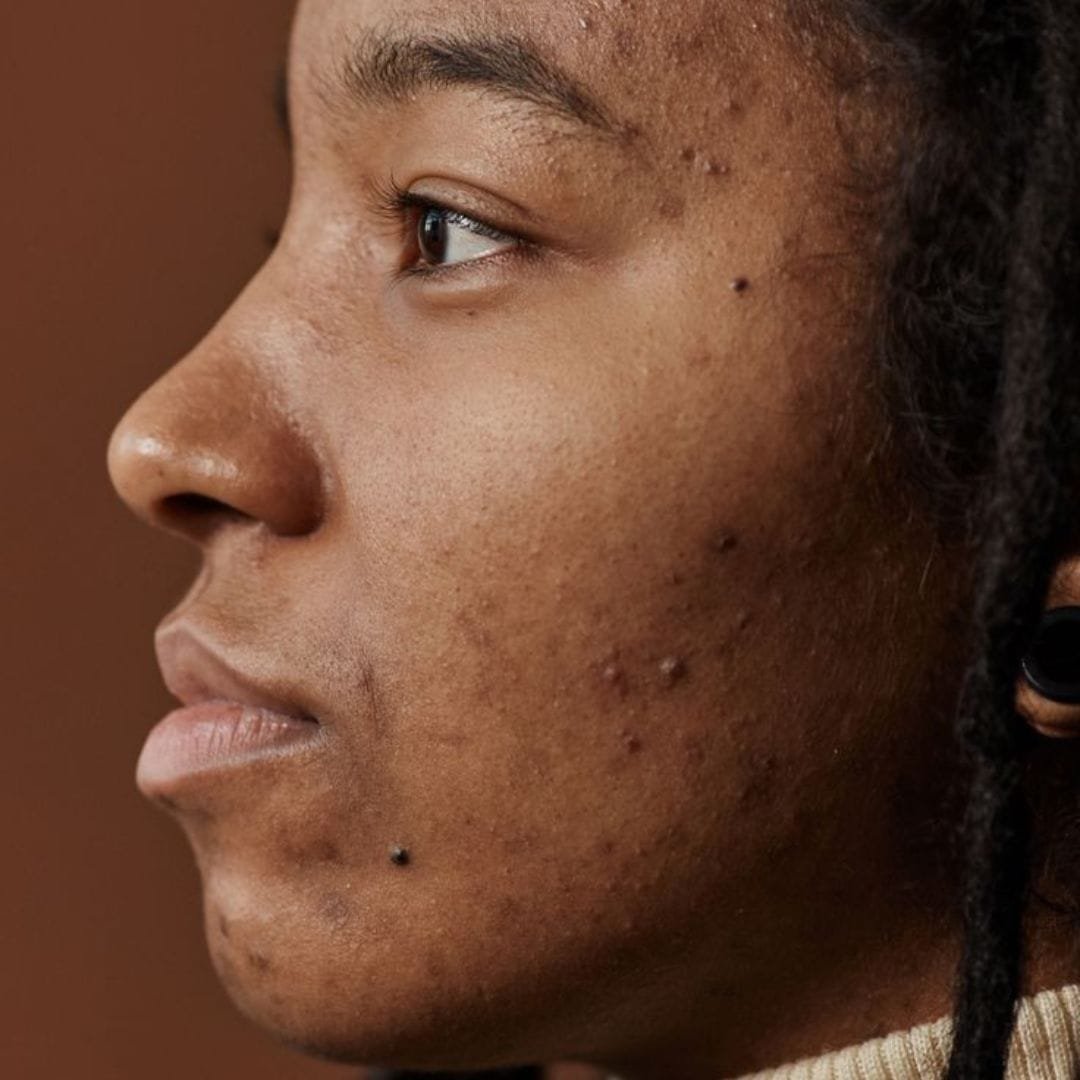
Acne scars are tough—but when you have melanin-rich skin, fading those dark marks can feel even more frustrating. Why? Because darker skin tones are more prone to post-inflammatory hyperpigmentation (PIH), meaning even a small pimple can leave behind a lingering dark spot for weeks or months.
But here’s the good news: with the right approach, you can fade acne scars without damaging your natural skin tone. This isn’t just surface-level advice—this is a breakdown of what dermatologists actually recommend for fading scars safely and effectively on dark skin.
Let’s dive into the real solutions that work.
Persistent Dark Spots That Won’t Fade
Solution: Use Targeted Brightening Ingredients That Are Safe for Melanin-Rich Skin
Dark spots are usually the result of excess melanin production after acne heals. Here’s what actually works:
- Niacinamide (Vitamin B3): Reduces pigment production and improves skin barrier.
- Azelaic Acid: Kills acne bacteria and fades hyperpigmentation without irritation.
- Vitamin C (Ascorbic Acid): Fades dark spots, boosts collagen, and evens skin tone.
- Tranexamic Acid: Proven to target stubborn hyperpigmentation in darker skin tones.
How to Apply It Effectively: Use these ingredients once daily (preferably at night) on clean, dry skin. Layer them under your moisturizer.
Dermatologist Tip: Avoid hydroquinone unless prescribed and monitored by a doctor. Overuse can cause exogenous ochronosis, a condition that causes dark blue-black patches, especially in deeper skin tones.
Scars Keep Coming Back or Getting Worse
Solution: Control Active Acne First
Fading scars is impossible if new breakouts keep coming. Prevent new scars by:
- Using salicylic acid (BHA): Clears clogged pores and prevents inflammation.
- Trying adapalene (Differin): A gentler over-the-counter retinoid safe for dark skin.
- Avoiding pore-clogging products: Look for “non-comedogenic” and oil-free labels.
Bonus Tip: Get a skin analysis or see a dermatologist to identify acne triggers—hormones, diet, or hair products may be playing a hidden role.
Products Burn, Sting, or Cause More Discoloration
Solution: Build a Gentle, Consistent Routine That Supports Your Skin Barrier
Dark skin is more reactive to irritation, which can trigger even more pigmentation.
Here’s a dermatologist-approved 4-step routine for fading acne scars on dark skin:
- Cleanser: Use a gentle, sulfate-free cleanser.Treatment: Apply one brightening ingredient (vitamin C, azelaic acid, etc.).Moisturizer: Use something simple and hydrating—no added fragrance or alcohol.Sunscreen: Apply SPF 30+ every morning, without fail.
Top Picks for Dark Skin Sunscreens:
- How long does it take for acne scars to fade on dark skin?
For dark skin, acne scars—especially post-inflammatory hyperpigmentation—can take 3 to 6 months to fade with proper care. Without treatment, they can linger for over a year. Consistency with the right skincare ingredients speeds up the process significantly.
- What’s the best ingredient to fade dark spots on melanin-rich skin?
Niacinamide, azelaic acid, and vitamin C are top choices. They target pigmentation safely without irritating dark skin. Azelaic acid, in particular, is effective for both acne and discoloration and is well tolerated by deeper skin tones.
- Can sunscreen really help fade acne scars?
Absolutely. Without sunscreen, UV rays make dark spots worse and longer-lasting. Wearing SPF 30 or higher daily prevents pigmentation from deepening and allows healing ingredients to work more effectively.
- Are chemical peels safe for dark skin?
Yes, but only specific types. Mandelic acid, lactic acid, and glycolic acid peels at low concentrations are safe when applied by a professional experienced with darker skin tones. Avoid harsh or deep peels that can trigger post-inflammatory hyperpigmentation (PIH).
- Will exfoliating help fade my scars, or make them worse?
Gentle exfoliation 1–3 times a week can help fade dark spots by removing dead skin cells and stimulating turnover. But over-exfoliating can damage the skin barrier and trigger more pigmentation, especially in dark skin.
- Can I use natural remedies like lemon or turmeric for acne scars?
Avoid lemon—it’s too acidic and can burn or discolor darker skin. Turmeric can help mildly over time but is not a reliable solution. Stick to dermatologist-approved ingredients for faster, safer results.
- How do I prevent new acne from causing more scars?
Prevent new scars by treating acne early, avoiding picking or squeezing pimples, and using non-comedogenic skincare. Spot treatments with salicylic acid or adapalene (Differin) can stop breakouts before they leave marks.
- Is laser treatment safe for African-American or dark skin?
Not all lasers are safe for dark skin. Only specific ones like Nd:YAG lasers are suitable because they bypass the melanin-rich outer layer of skin. Always see a board-certified dermatologist who specializes in skin of color.
- Why do my acne scars look darker after using certain products?
You may be using ingredients that irritate your skin or increase photosensitivity (like AHAs without SPF). This can worsen hyperpigmentation. If a product stings, burns, or leaves your skin red, stop using it and switch to gentler options.
- Can I get rid of acne scars completely?
Most dark spots from acne can be greatly faded—and many can disappear with time and the right care. However, deep pitted scars (like ice-pick or boxcar scars) may need professional treatments like microneedling or laser therapy for best results.