


Best / top in city · Trivandrum · Hair
Best Scalp Peel Treatment in Trivandrum for Dandruff, Oily Scalp & Hair Growth
Most men in Trivandrum treat their scalp like an afterthought, scrubbing it with harsh soaps or "anti-dandruff" chemicals that do little more than irritate the surface. If you are dealing with a greasy mane by noon or white flakes on your dark shirts, you aren't suffering from a lack of hygiene; you are dealing with a buildup problem. The humidity in Kerala doesn't just make you sweat; it turns your scalp into a petri dish for sebum and fungal overgrowth.
The Invisible Layer Suffocating Your Hair
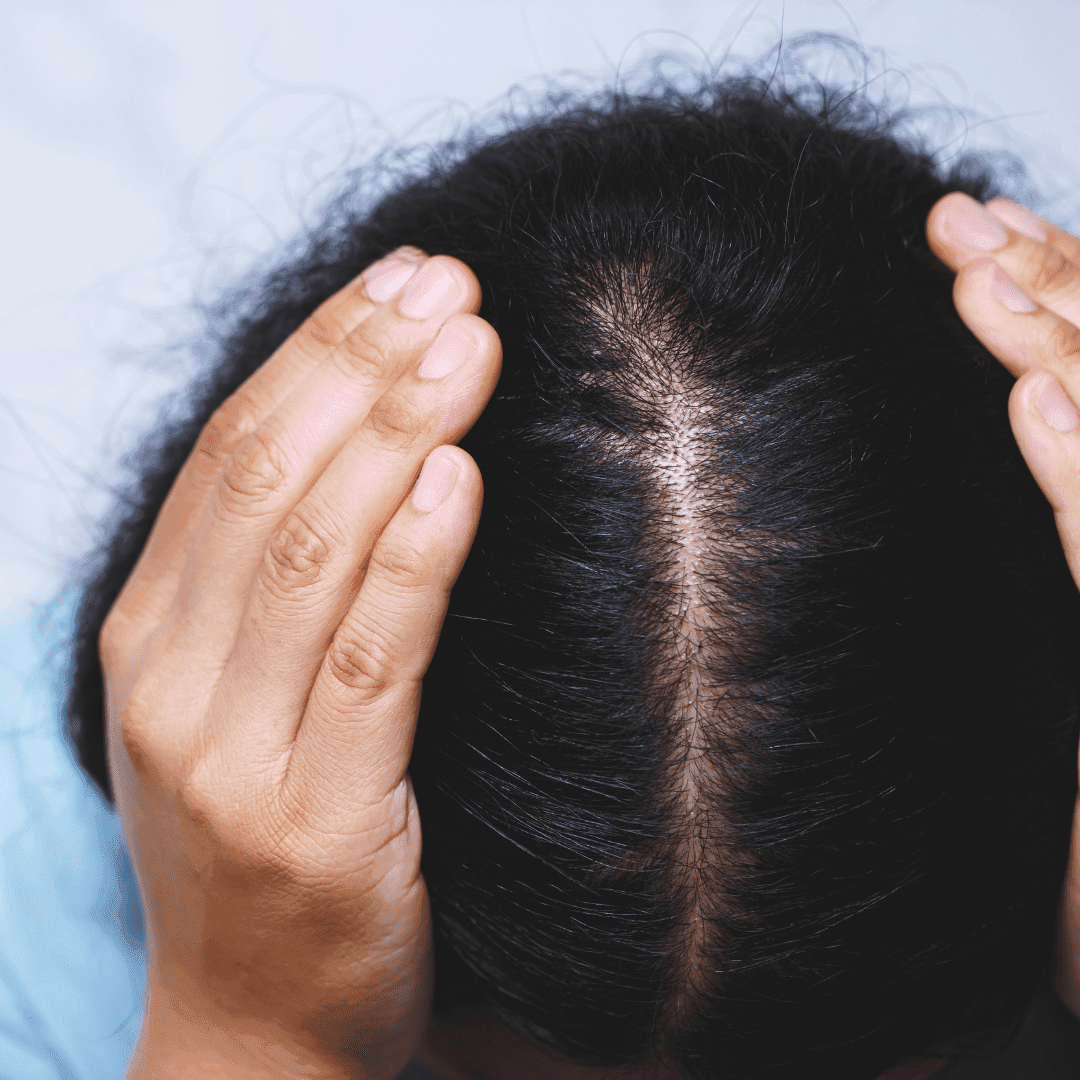
You probably think your skin ends at your forehead, but your scalp is just an extension of your face with a much higher density of oil glands. For teens and young adults, especially those prone to acne, the scalp often becomes a graveyard for dead skin cells and product residue. This "biofilm" blocks follicles and makes any topical treatment you buy completely useless.
A scalp peel is not a luxury spa service; it is a clinical necessity for anyone serious about follicular health. By using specific acids—usually salicylic or glycolic—we dissolve the glue holding dead cells together. This process of scalp exfoliation clears the path for your skin to breathe and for your hair to actually grow without resistance.
If you can feel a "gritty" texture when you run your fingers through your hair, you are already months behind on proper maintenance.
Traditional washing only touches the surface, leaving the deeper debris to harden.
Why Trivandrum’s Climate Demands More Than Shampoo
Living in a coastal city means your scalp is constantly fighting a war against salt air, high humidity, and hard water. These factors cause minerals to bind to your sebum, creating a waxy coating that no standard dandruff treatment can penetrate. Men in their twenties often mistake this waxy buildup for permanent hair loss, when in reality, the hair is just being choked out.
I recently saw a twenty-two-year-old engineering student who had spent thousands on "growth oils" while his scalp was visibly inflamed and buried under layers of oil. We stopped the oils immediately—which were just feeding the fungus—and started a structured scalp peel regimen. Within three sessions, the redness vanished and his natural hair density began to recover because the follicles were finally unobstructed.
The humidity in Kerala transforms sebum into a literal adhesive that traps pollutants against your skin.
You cannot wash away a chemical bond with a five-minute shower.
The Mechanics of Chemical Exfoliation
When we talk about a scalp peel, we are talking about controlled chemical desquamation. For those with sensitive or acne-prone skin, physical scrubs with beads or salts are a disaster; they create micro-tears that lead to infection. A chemical approach is more precise and significantly gentler on the actual hair shaft.
Scalp Peel vs. Physical Scrubs
| Feature | Chemical Scalp Peel | Physical Scrub/Brush |
| Action | Dissolves cellular bonds | Mechanically tears skin |
| Reach | Penetrates into the follicle | Surface level only |
| Safety | High (if pH balanced) | High risk of irritation |
| Results | Long-term sebum control | Temporary smoothness |
Using a scalp peel roughly 6 to 8 times a year is usually the sweet spot for maintaining a healthy environment. This frequency prevents the "rebound effect" where the scalp overproduces oil because it’s being stripped too often. If you have a severe condition, your dermatologist might suggest a more aggressive initial phase before moving to maintenance.
A healthy scalp should look like the skin on the back of your hand—clear, pale, and free of visible debris.
Consistency beats intensity every single time.
Solving the Dandruff and Growth Equation
Dandruff is frequently a symptom of Malassezia, a fungus that feasts on the very oils your scalp is currently overproducing. A medical-grade dandruff treatment works best when the "crust" is removed first. If you apply medicated lotions on top of buildup, you are essentially painting a dirty wall.
By integrating scalp exfoliation into your routine, you reset the pH balance of the skin. This makes the environment inhospitable for fungus and incredibly welcoming for new hair. While this isn't a "cure" for genetic balding, it ensures that every hair you are capable of growing actually makes it to the surface.
Maximum hair growth is impossible if the exit point of the follicle is corked by hardened oil.
The biology is simple: clear the path, and the body does the rest.
Professional Care vs. At-Home Experiments
There is a trend of DIY "acid peels" circulating online that involve concentrated vinegar or lemon juice. Stop doing this. The skin on your head is vascular and sensitive; a botched home peel can lead to chemical burns and permanent scarring of the hair follicles. Professional Hair Treatment in a controlled clinic setting uses buffered acids that target the debris without damaging the living tissue.
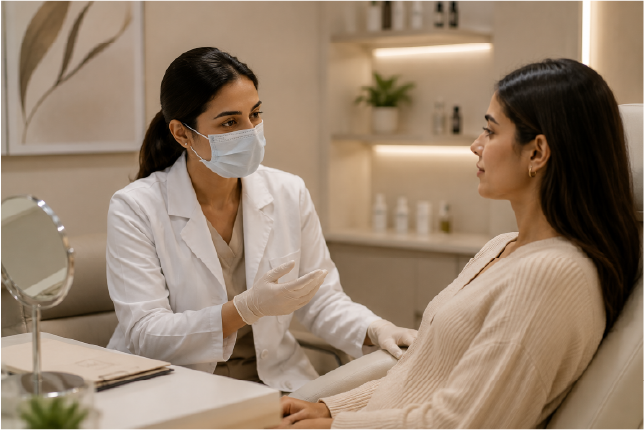
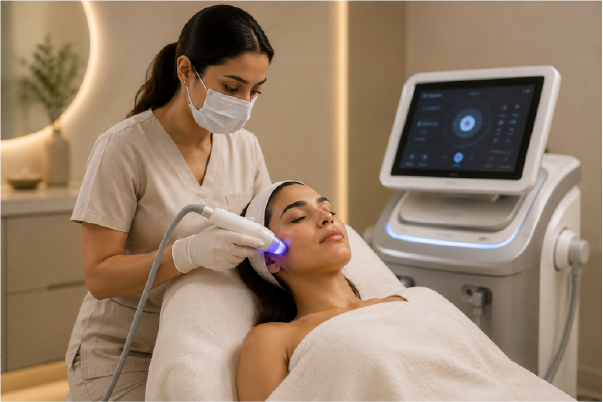
In a clinical setting in Trivandrum, we see better results because we can analyze the scalp under magnification first. We look for signs of folliculitis or seborrheic dermatitis that you might miss in your bathroom mirror. A professional scalp peel is applied with precision, ensuring the solution reaches the skin and doesn't just sit on your hair strands.
Professional equipment allows us to see the difference between simple dryness and a fungal infection.
You wouldn't perform surgery on yourself, so don't play chemist with your scalp.
The Long-term Protocol
To get the most out of your sessions, you need to adjust your post-care. Avoid heavy waxes or pomades for at least forty-eight hours after a treatment. Your pores are open and your skin is fresh; this is the time to use high-quality, lightweight serums if they have been prescribed.
Expect to repeat the scalp peel process roughly 6 to 8 times over the course of a year to stay ahead of the weather. Between these visits, use a pH-balanced cleanser that doesn't rely on heavy sulfates. If you are active or hit the gym daily, rinse your hair with fresh water immediately after sweating to prevent salt crystallization.
The goal is a scalp that functions so well you eventually forget it’s there.
Health is silent; it's the irritation that screams for your attention.
FAQ
-
Will a scalp peel make my hair fall out?
Actually, the opposite is true. While you might see a few "resting" hairs shed during the process, these were already detached and stuck in the debris. By removing the buildup, you are clearing the way for the next growth cycle to begin sooner and more robustly.
-
I have very sensitive, acne-prone skin. Is this safe?
Yes, provided the correct acid is used. Salicylic acid is actually an anti-inflammatory that is used to treat acne on the face. When applied to the scalp, it calms redness and clears out the "scalp acne" or folliculitis that many young men struggle with.
-
How soon will I see a difference in my dandruff?
Most people notice a significant reduction in itching and flaking after the very first session. However, for chronic dandruff treatment, you need a few sessions to fully break down the dormant fungal colonies and regulated oil production.
-
Does it hurt or sting during the application?
You might feel a mild tingling or a cooling sensation, but it should never "burn." If you feel intense heat, the technician needs to neutralize the peel immediately. Professional formulas are buffered to ensure the experience is comfortable for even the most reactive skin types.